
How Nutrition Affects Your Vision
Discover the powerful connection between what you eat and how clearly you see. Learn which nutrients protect your eyes and which foods support lifelong visual health.
The information on this site is for educational purposes only and does not constitute medical advice. Always consult a qualified healthcare professional before making health decisions.
Vision Health by the Numbers
of vision problems can be linked to nutritional deficiencies
essential nutrients your eyes need daily to function optimally
different vegetables contain vision-protecting lutein
reduction in age-related vision decline with proper nutrition
Essential Nutrients for Eye Health
Your eyes are among the most nutrient-sensitive organs in your body. Every structure—from the cornea to the retina—depends on specific vitamins, minerals, and antioxidants to maintain clarity and function.
When your nutrition lacks these key components, your vision pays the price. Age-related decline, blurred focus, reduced night vision, and eye strain all accelerate without proper nutritional support.
Lutein & Zeaxanthin
Pigments that filter harmful blue light and protect the macula, your eye's sharpest vision center.
Vitamin A & Beta-Carotene
Essential for retinal health and enabling your eyes to adapt to low-light environments.
Antioxidants (C, E & Zinc)
Combat oxidative stress that accelerates eye aging and cellular damage in the retina.
Omega-3 Fatty Acids
Support healthy blood vessels that nourish the eye and reduce inflammation throughout visual tissue.
How Nutrients Protect Your Vision: The Science
Absorption
Nutrients from food are broken down in your digestive system and transported through the bloodstream toward eye tissues.
Delivery
Blood vessels surrounding the eye deliver these vital compounds to the retina, lens, and supporting structures.
Protection
Antioxidants neutralize free radicals and oxidative stress that would otherwise damage delicate eye cells daily.
Maintenance
Regular nutritional support maintains cellular health, slows age-related decline, and sustains clear vision throughout life.
Top Foods That Boost Vision
These nutrient-dense foods contain the exact compounds your eyes need to stay sharp, resilient, and healthy for decades.
Leafy Greens
Spinach, kale, and collard greens are packed with lutein and zeaxanthin—the two most powerful protectors of the macula.
Key benefit: Filter harmful light and prevent age-related vision loss
Orange & Yellow Vegetables
Carrots, sweet potatoes, and squash deliver high doses of beta-carotene, which your body converts to vitamin A.
Key benefit: Essential for retinal function and night vision
Fatty Fish
Salmon, mackerel, and sardines are rich in omega-3 fatty acids that reduce inflammation and support retinal health.
Key benefit: Protect blood vessels and reduce dry eye symptoms
Berries & Citrus
Blueberries, oranges, and strawberries contain vitamin C and anthocyanins that combat oxidative stress in eye cells.
Key benefit: Slow age-related vision decline and strengthen lens clarity
Eggs
Egg yolks contain lutein, zeaxanthin, and zinc—a triple threat against macular degeneration and age-related decline.
Key benefit: Bioavailable source of all major eye-protective nutrients
Nuts & Seeds
Almonds, sunflower seeds, and hazelnuts provide vitamin E, a powerful antioxidant that protects lens and retina cells.
Key benefit: Prevent cataract formation and reduce inflammation
Building a Vision-Supporting Diet
Eat the Rainbow Daily
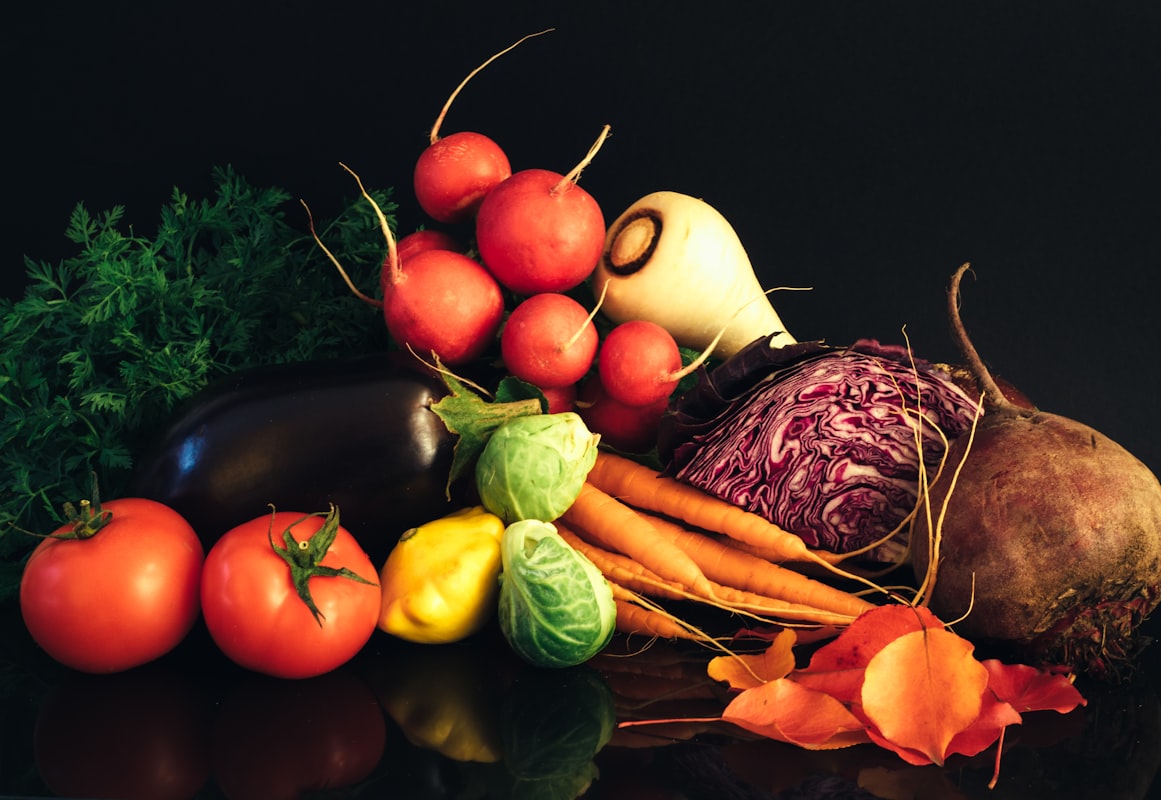
Different colored foods contain different protective compounds. Red tomatoes, orange carrots, yellow peppers, green spinach, and purple blueberries together create a complete nutritional shield for your eyes.
Pair with Healthy Fats
Many vision-protecting nutrients (like lutein and beta-carotene) are fat-soluble. Eat leafy greens with olive oil, nuts with berries, or eggs with vegetables for maximum absorption.
Reduce Inflammatory Foods
Excess sugar, refined carbohydrates, and ultra-processed oils promote inflammation that damages eye tissue. Focus on whole foods instead.
Stay Consistently Nourished
Vision health is built over months and years, not days. Consistent, long-term nutrition is what transforms and sustains eye clarity and resilience.
Common Questions About Nutrition and Eye Health
How long does it take nutrition to improve vision?
Most people notice subtle improvements in eye comfort and clarity within 4–8 weeks of consistent nutritional changes. Measurable vision improvements typically appear over 3–6 months. For age-related conditions, the protective benefits compound over years, slowing decline significantly.
Can nutrition replace eyeglasses or contact lenses?
Nutrition supports eye health and can reduce strain and fatigue, but it won't correct refractive errors (like nearsightedness or astigmatism). Think of it as a foundation that keeps your eyes as healthy and functional as they can be within your natural prescription.
What if I don't like leafy greens?
You have many options. Lutein and zeaxanthin are also found in broccoli, Brussels sprouts, peas, and corn. Beta-carotene appears in carrots, sweet potatoes, pumpkin, and apricots. Variety is the key—explore different vegetables until you find ones you genuinely enjoy.
Are supplements necessary, or is food enough?
Food is the ideal source because it delivers nutrients in their natural balance with supporting compounds. A well-planned diet rich in eye-healthy foods can provide most nutrients you need. Supplements may help if you have specific deficiencies or dietary restrictions—discuss with your healthcare provider.
Does age matter? Am I too old to benefit?
Absolutely not. Whether you're 25 or 75, nutrition supports eye health at every stage. Younger people build a stronger protective foundation; older adults slow decline and improve comfort. It's never too late to start eating for your eyes.
What about blue light from screens?
Nutrition is part of the answer. Lutein and zeaxanthin naturally filter blue light in your eyes. Pair this with screen habits (20-20-20 rule: every 20 minutes, look 20 feet away for 20 seconds) and proper lighting for complete digital eye strain protection.
Real Stories: How Nutrition Transformed Vision
"After changing my diet to include more leafy greens and fish, I noticed my eyes felt more comfortable during the workday. I'm reading without discomfort now, and my optometrist noticed improved eye health in my last exam."
Rudi Hartono
Jakarta, Digital Professional
"My optometrist told me I was on track for age-related vision decline. Once I started eating eggs, berries, and salmon regularly, my retinal health improved. I feel more confident about my vision future."
Siti Nurhaliza
Bandung, Teacher
"I struggled with dry eyes and nighttime vision. Adding carrots, almonds, and orange juice to my daily meals made a real difference. Now I drive at night without discomfort, and my eyes feel less tired."
Ahmad Wijaya
Surabaya, Accountant
Learn More About Vision and Nutrition
Explore our comprehensive guides and resources to deepen your understanding of how nutrition shapes your visual health. Discover research-backed insights, practical meal ideas, and expert perspectives on sustaining clear vision through food.