
How Nutrition Affects Your Vision
Discover the science of eye health through food. Learn which nutrients protect your sight, how they work, and which foods to prioritize for better vision tomorrow.
The information on this site is for educational purposes only and does not constitute medical advice. Always consult a qualified healthcare professional before making health decisions.
Featured Content Categories
Filter by topic to find articles that matter to you
Essential Articles on Nutrition & Vision

Best Foods for Eye Health
Explore the top 15 foods that contain powerful antioxidants and nutrients proven to support vision. From leafy greens to fatty fish, discover what to eat for stronger eyes.
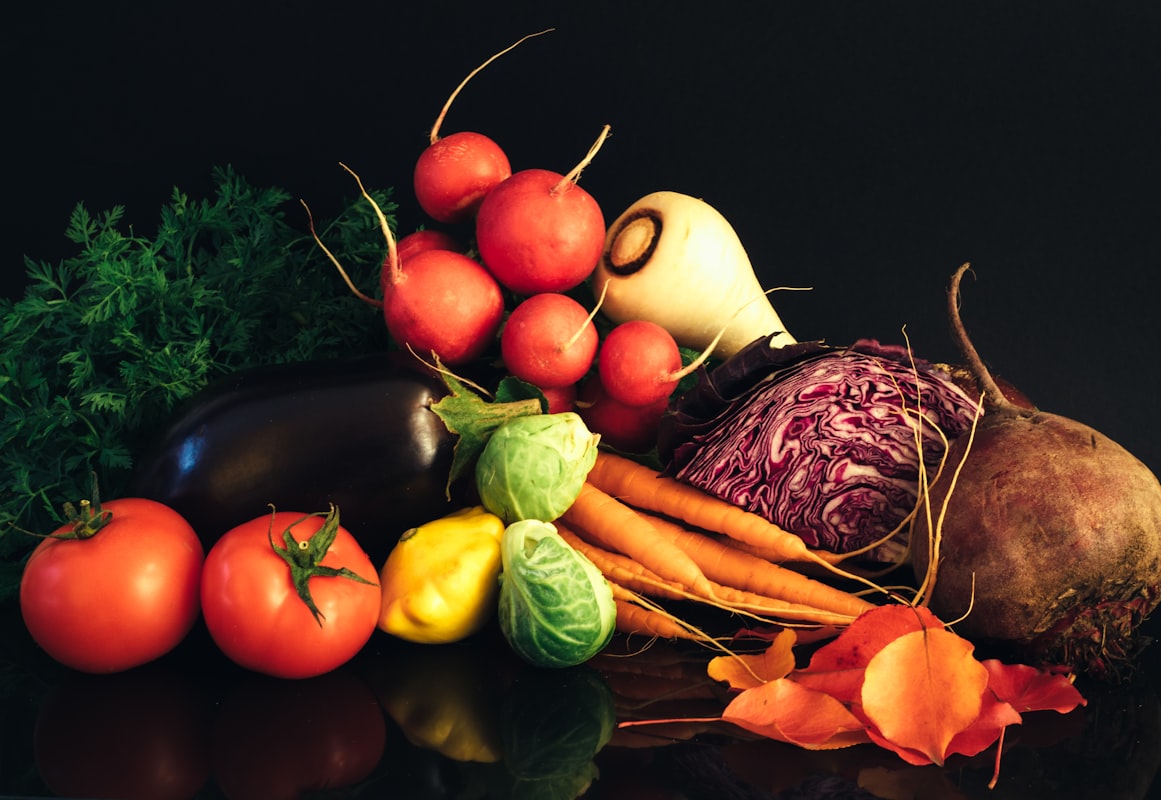
Lutein & Zeaxanthin: Your Eye's Natural Shield
Discover how these two carotenoids protect your macula from age-related degeneration. Learn where to find them and how much you need daily for optimal vision support.
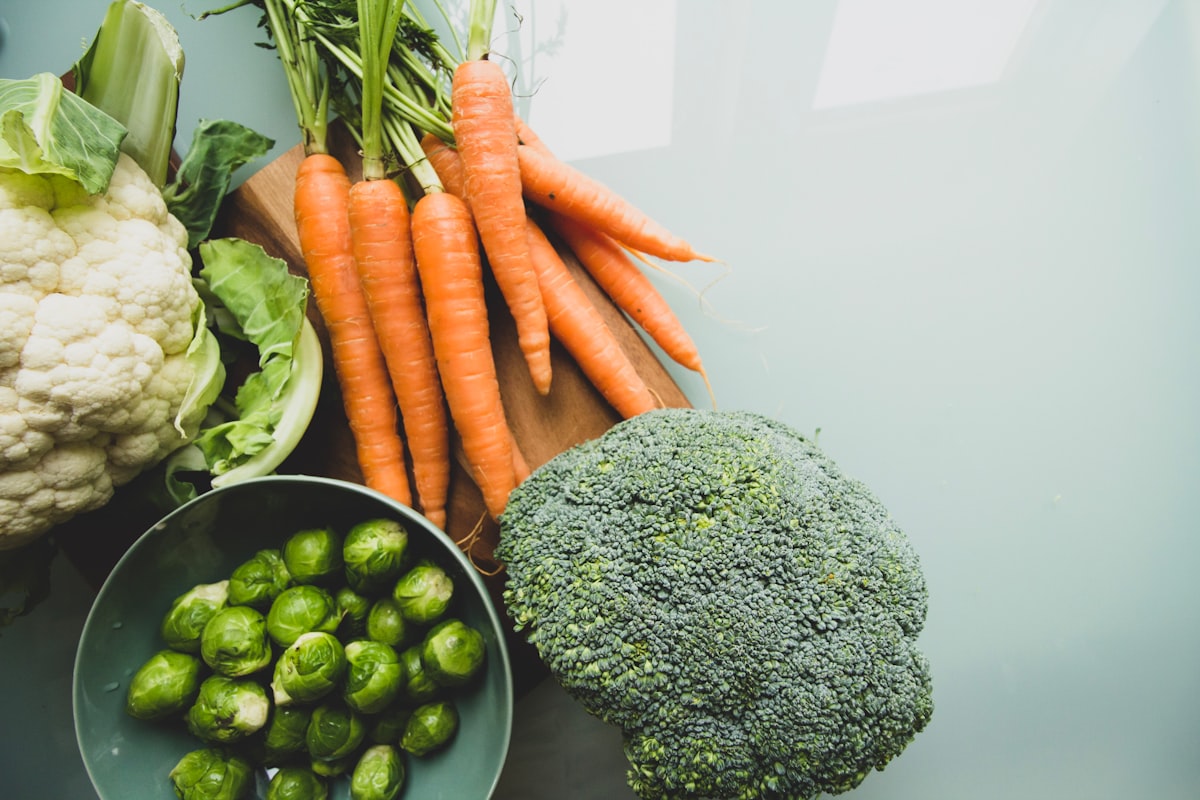
Omega-3 Fatty Acids: Fuel for Retinal Health
Understand why fish oil and plant-based omega-3s are crucial for maintaining sharp vision. Read about DHA's role in protecting your retina and the best sources.
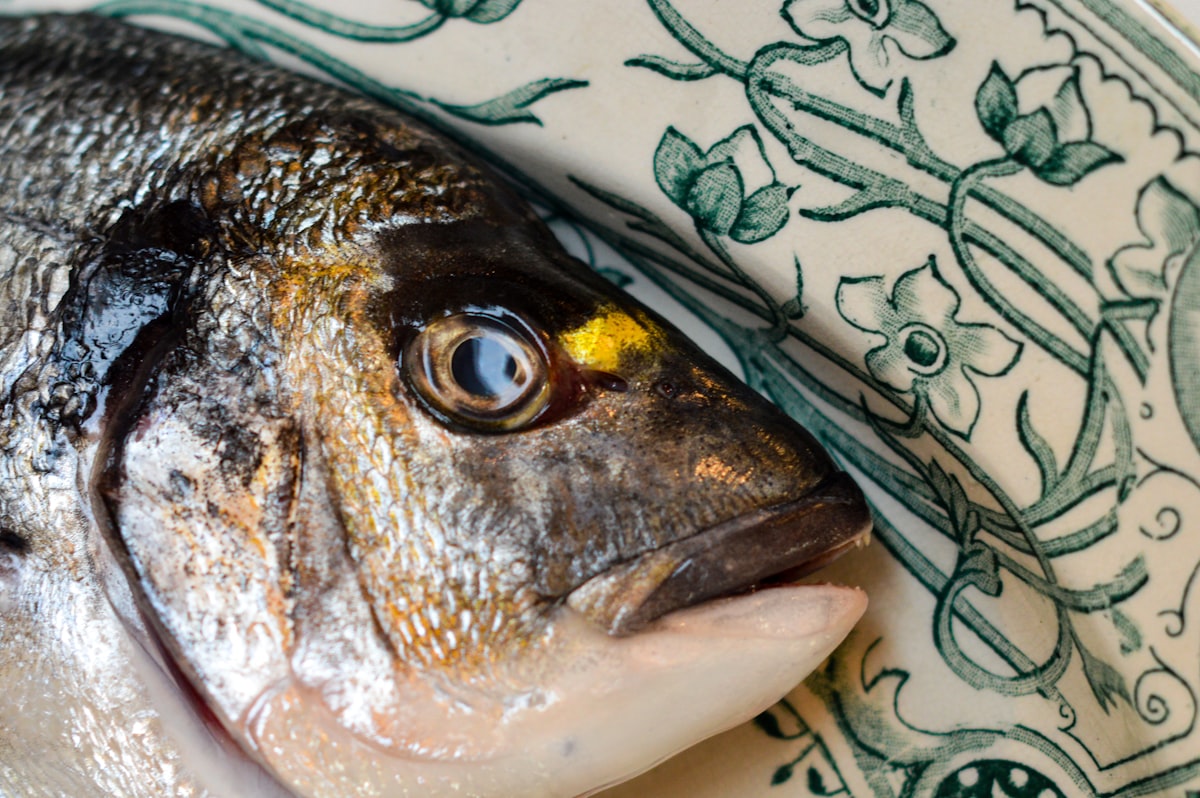
Antioxidants: Fighting Free Radical Damage
Learn how vitamins C and E, selenium, and other antioxidants combat oxidative stress that damages eye cells. Explore the science behind antioxidant protection.
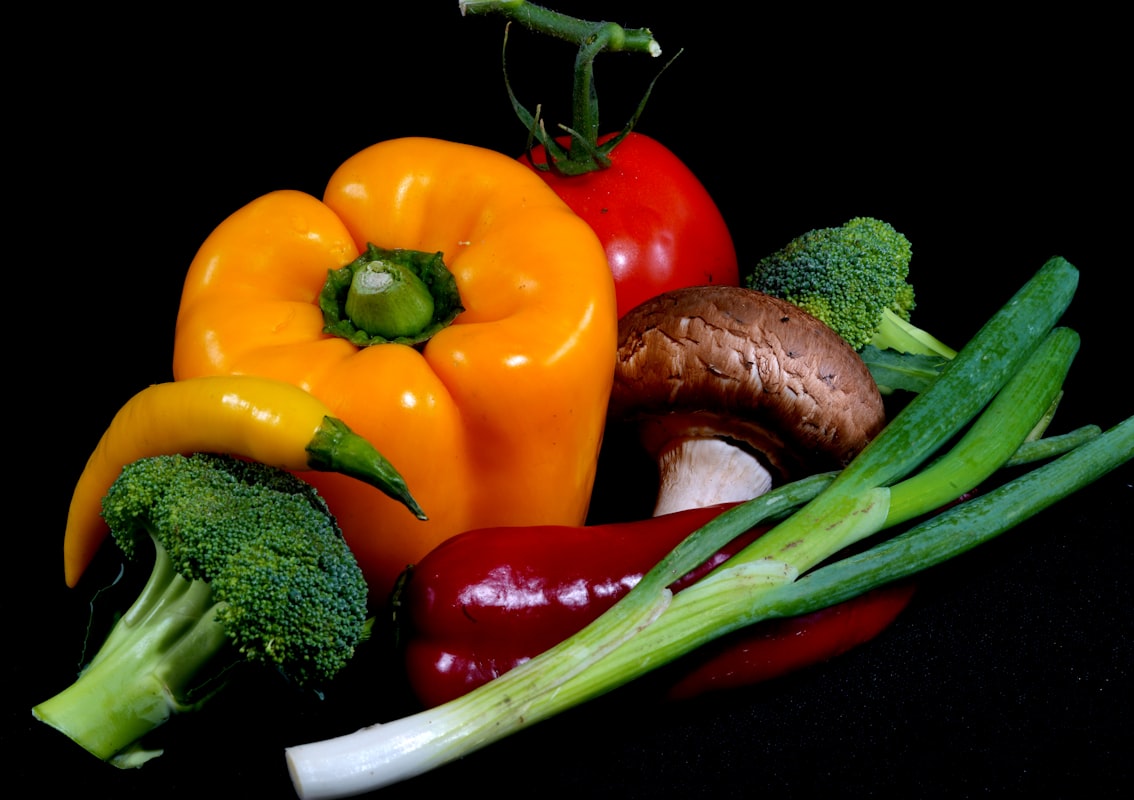
Vitamin A: The Vision Nutrient
Discover why vitamin A is essential for night vision and photoreceptor function. Find out which foods pack the most beta-carotene and how much is recommended.

Anti-Inflammatory Foods for Clear Vision
Explore how chronic inflammation impacts eye health and which foods can reduce it. Learn about the Mediterranean diet's proven benefits for vision.

Zinc: The Mineral for Macular Health
Understand zinc's critical role in preserving central vision and transporting vitamin A. Discover top zinc sources and daily intake recommendations.
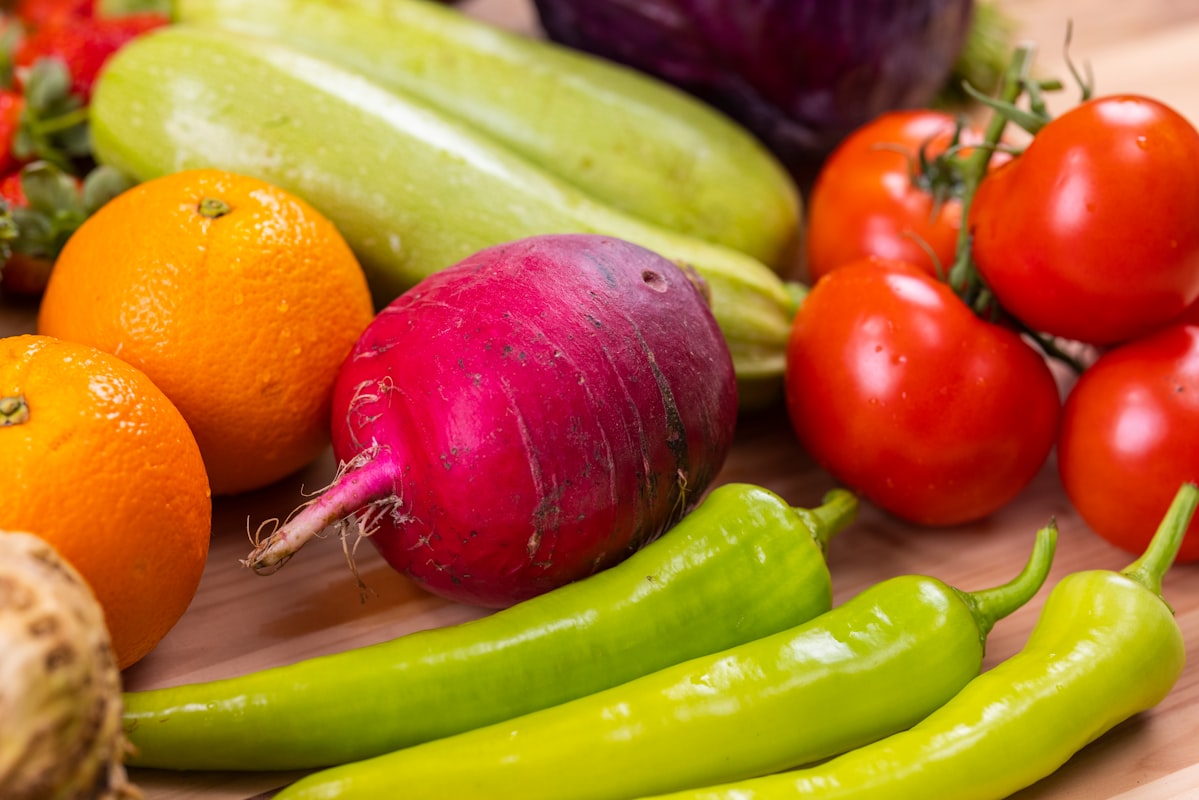
7-Day Vision-Boosting Meal Plan
Get practical daily meal ideas that incorporate all essential eye-health nutrients. Simple recipes and shopping tips for nourishing your vision naturally.
Frequently Asked Questions
Which nutrients are most important for eye health?
The most critical nutrients for vision are lutein, zeaxanthin, vitamin A, omega-3 fatty acids, vitamin C, vitamin E, and zinc. These work synergistically to protect your retina, support photoreceptor function, and fight oxidative stress. Each plays a unique role in maintaining sharp vision and reducing the risk of age-related vision changes.
How quickly will I notice improvements in my vision?
Nutritional changes work gradually. Some people report better focus and reduced eye strain within a few weeks, while deeper retinal protection develops over months. Consistent eating habits matter more than quick results. Think of nutrition as ongoing support for your eyes, not a quick fix.
Can diet alone improve my vision?
Nutrition is one powerful pillar of eye health, alongside proper lighting, screen breaks, UV protection, and regular eye check-ups. While a nutrient-rich diet supports vision significantly, it works best as part of a holistic eye-care routine. We recommend consulting with an eye care professional about your specific vision needs.
What if I'm vegetarian or vegan?
Plant-based diets can absolutely support eye health. Leafy greens, nuts, seeds, and legumes provide lutein, zeaxanthin, and plant-based omega-3s (ALA). Vegan sources of vitamin A include sweet potatoes and carrots. We share plant-based recipes and tips throughout our articles to help you get all necessary nutrients.
Are eye health supplements necessary?
Whole foods are always the first choice for nutrients. However, some people benefit from supplements if their diet is limited or certain nutrients are difficult to obtain. This is a personal decision best made in consultation with a healthcare provider. Our content focuses on food-first nutrition strategies.
How do I know if I'm getting enough nutrients?
A balanced diet with colorful vegetables, fatty fish, nuts, and whole grains covers most needs. Our meal-planning guides help you track key nutrients easily. For specific concerns or nutrient deficiencies, work with a dietitian or healthcare provider who can assess your individual needs.
The Nutrition-Vision Connection
Your eyes are among the most metabolically active tissues in your body. They rely on a steady supply of antioxidants, omega-3 fatty acids, and specific vitamins to function optimally. Every cell in your retina depends on proper nutrition to maintain clarity, process light, and send sharp images to your brain.
When you eat foods rich in lutein, zeaxanthin, and other protective compounds, you're literally building stronger eye tissue. These nutrients accumulate in your macula—the central part of your retina responsible for detailed vision—and shield it from oxidative damage caused by light exposure and aging.
The science is clear: what you eat directly impacts how well you see. Poor nutrition can accelerate age-related changes, while consistent consumption of eye-supporting foods supports long-term visual health and clarity.
Download Free Nutrition Guide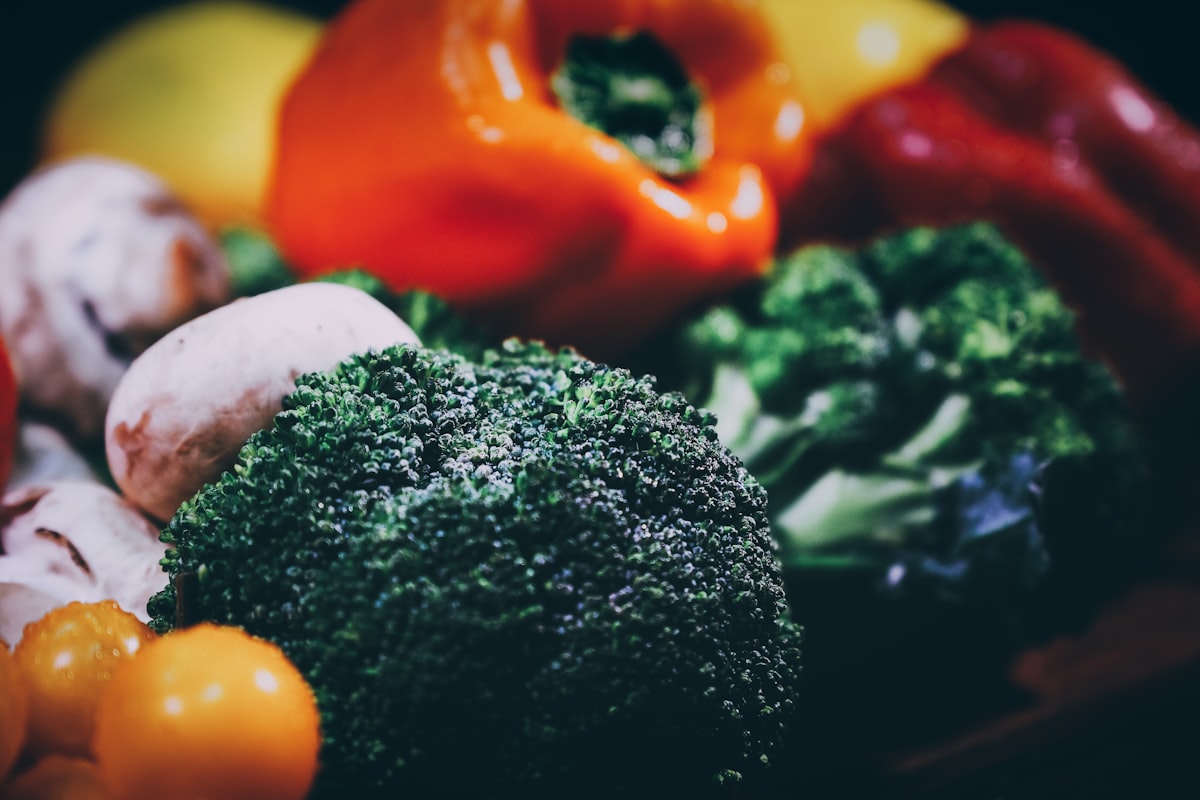
Stay Updated on Eye Health & Nutrition
Get our latest articles, research summaries, and vision-boosting tips delivered to your inbox every week. No spam—just quality editorial content.
We respect your privacy. Unsubscribe anytime.
Why Kineon Focuses on Nutrition & Vision
Research-Based Content
Our articles are built on peer-reviewed science and current nutritional guidelines. We translate complex research into actionable, readable content for real people.
Community Focus
We believe eye health is a shared journey. Our editorial team listens to reader questions and experiences to create content that truly matters to our community.
Practical Guides
Beyond theory, we provide meal plans, shopping lists, and recipes. Learn the science, then apply it in your kitchen and daily life.
Ready to Nourish Your Vision?
Start with our free nutrition guide for optimal eye health. Packed with practical tips, food lists, and research-backed insights.
No spam. No sales pitch. Just quality editorial content for better eye health.