
How Nutrition Affects Your Vision
Discover the vital connection between what you eat and how well you see. Explore science-backed insights about nutrients that support eye health and clarity.
The information on this site is for educational purposes only and does not constitute medical advice. Always consult a qualified healthcare professional before making health decisions.
Why Nutrients Matter for Your Eyes
Your eyes are complex organs that depend on specific nutrients to function optimally. Just like any part of your body, they require fuel—and that fuel comes from the foods you eat. Proper nutrition supports everything from the sharpness of your vision to the health of your retina and the clarity of your lens.
When you consume foods rich in antioxidants, vitamins, and minerals, you're actively protecting your eyes from oxidative stress and age-related changes. These protective compounds work together to maintain the delicate structures inside your eye and preserve your sight as you age.
Understanding this connection empowers you to make dietary choices that directly benefit your visual health. Whether you're concerned about maintaining sharp vision or supporting overall eye wellness, the path starts with informed nutrition decisions.
Key Vitamins and Nutrients for Vision
Lutein and Zeaxanthin
These carotenoid pigments accumulate in the retina and act as natural sunglasses, filtering harmful blue light and protecting photoreceptor cells. Found abundantly in leafy greens like spinach and kale, they're essential for maintaining sharp central vision.
Vitamin A and Beta-Carotene
Critical for the production of rhodopsin, a pigment needed for low-light vision. Vitamin A supports the health of the cornea and retina, making it fundamental for overall visual clarity. Sweet potatoes, carrots, and bell peppers are excellent sources.
Antioxidants (Vitamins C & E)
These powerful antioxidants protect eye cells from free radical damage. Vitamin C is found in citrus and berries, while vitamin E appears in nuts and seeds. Together they support the longevity of your visual system.
Omega-3 Fatty Acids
Essential for maintaining the structural integrity of cell membranes in the eye, omega-3s reduce inflammation and support retinal function. Fatty fish like salmon, mackerel, and sardines are rich sources of these crucial nutrients.
Zinc and Copper
These minerals help the eye absorb antioxidants and support the health of the macula. Oysters, crab, pumpkin seeds, and legumes provide significant amounts of these vision-supporting minerals.
Anthocyanins
These flavonoids give berries their deep color and provide potent antioxidant protection. Blueberries and blackberries contain high levels of anthocyanins, which support blood flow to the eyes and reduce visual fatigue.
Nutrient-Rich Foods for Eye Health
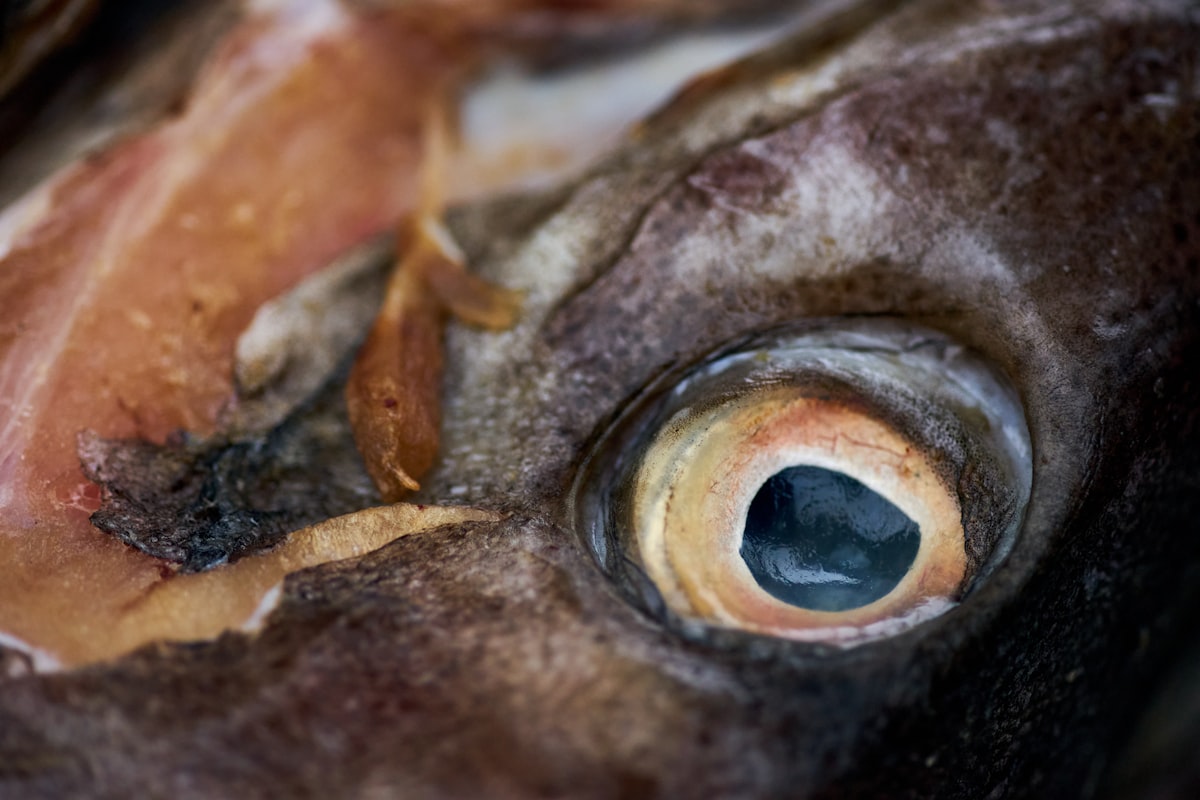
Leafy Greens
Spinach, kale, and collard greens are packed with lutein and zeaxanthin—the primary nutrients for retinal health. These greens also contain vitamin C and support overall eye protection.
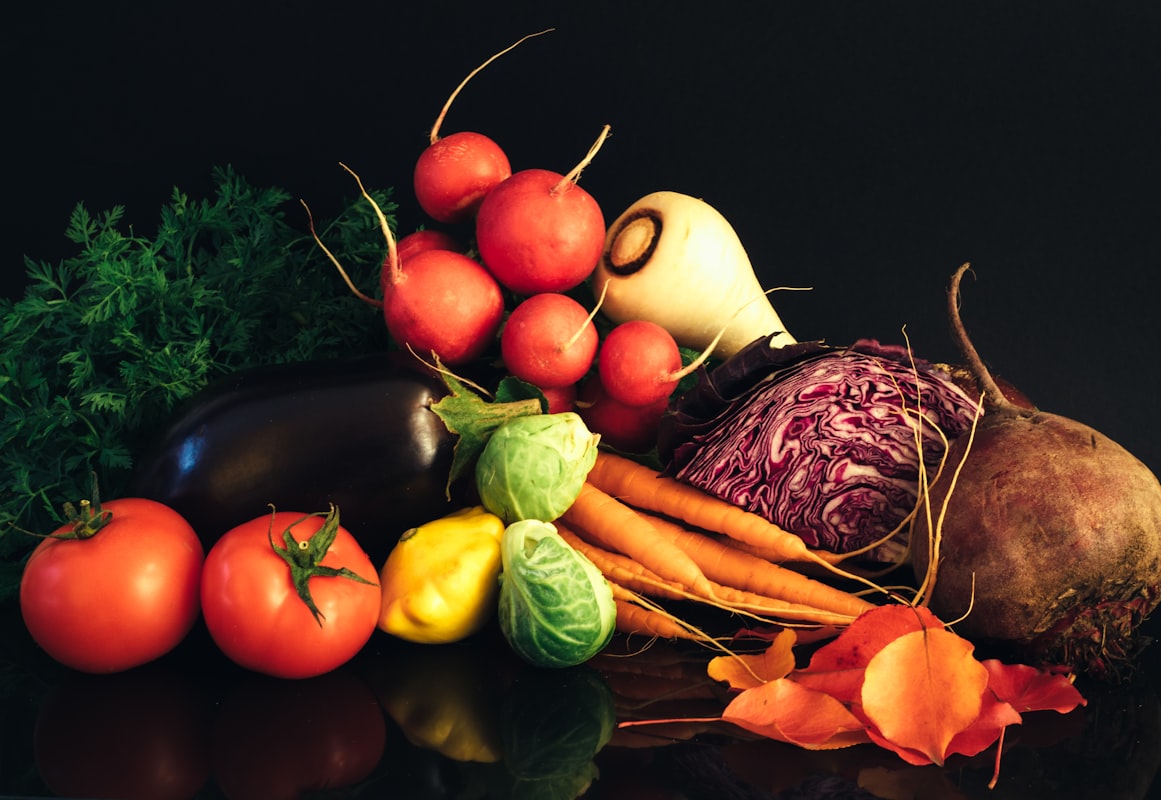
Berries
Blueberries, strawberries, and blackberries deliver anthocyanins and vitamin C. These antioxidant powerhouses combat oxidative stress and support clear, vibrant vision.
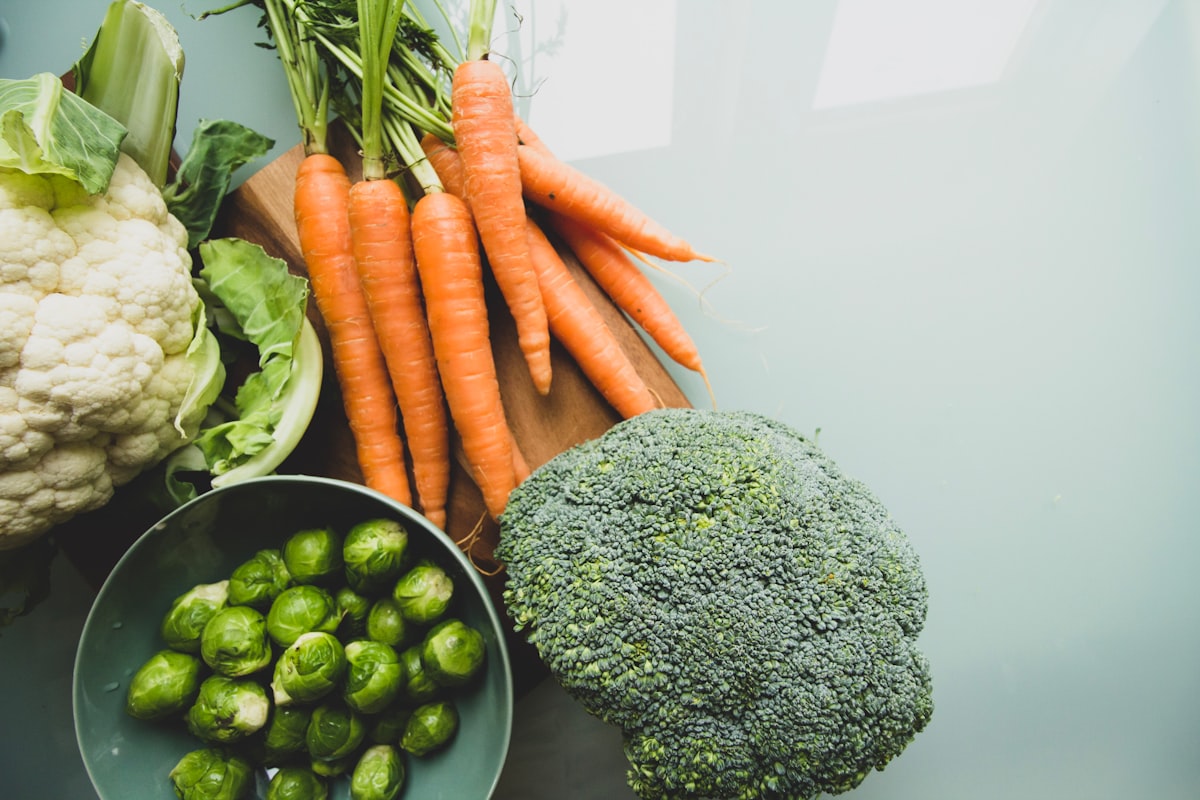
Fatty Fish
Salmon, mackerel, and sardines are rich in omega-3 fatty acids. These nutrients reduce inflammation and strengthen the structure of cells within the retina.
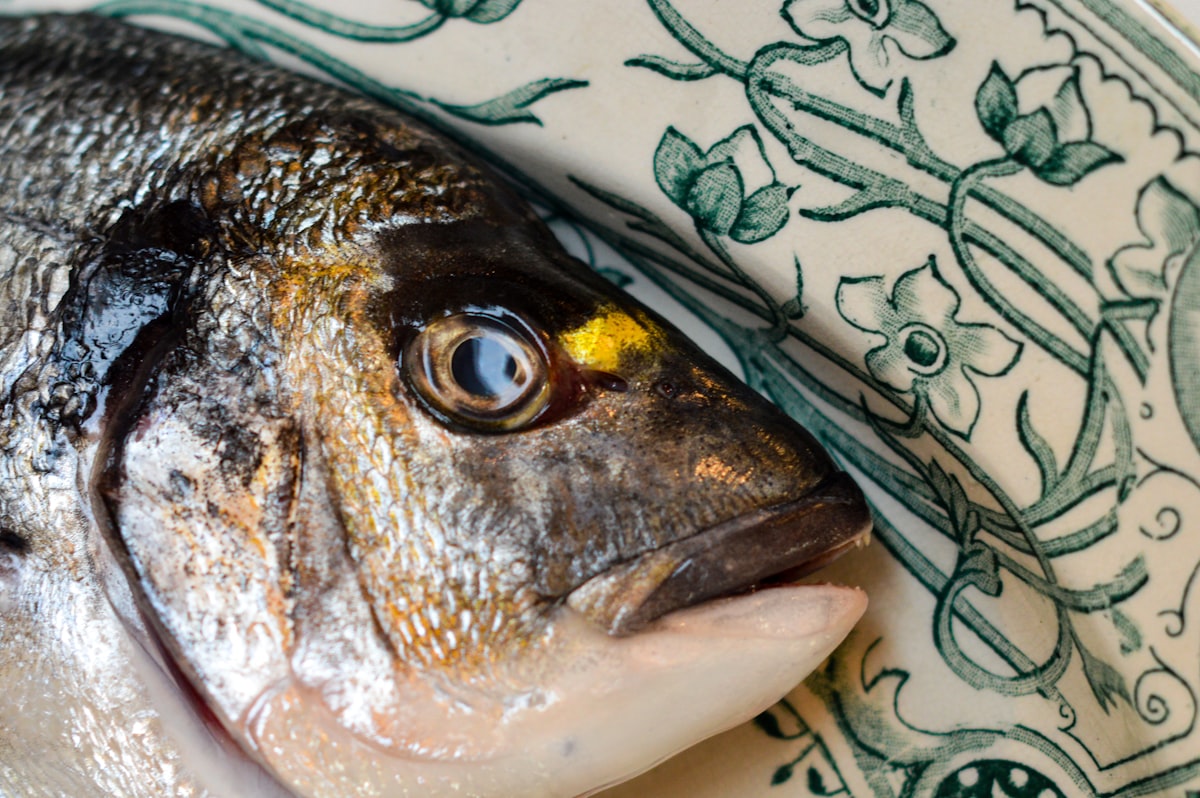
Orange Vegetables
Carrots, sweet potatoes, and pumpkins are excellent sources of beta-carotene and vitamin A. These nutrients support night vision and protect the cornea.
Nuts and Seeds
Almonds, sunflower seeds, and walnuts provide vitamin E, zinc, and omega-3s. These nutrient-dense foods fortify your eyes against age-related changes.

Citrus Fruits
Oranges, lemons, and grapefruits are loaded with vitamin C, a potent antioxidant. Vitamin C works synergistically with other nutrients to protect your vision.
Understanding Your Nutrition-Vision Connection
The Science Behind It
Your retina is one of the most metabolically active tissues in your body. It constantly uses energy and produces metabolic byproducts that can damage cells if not neutralized. Antioxidants from nutrient-rich foods serve as your eye's defense system, neutralizing harmful free radicals before they cause damage.
The macula, a small but crucial area in the center of your retina responsible for detailed vision, contains high concentrations of lutein and zeaxanthin. These compounds act as filters, reducing the impact of blue light and UV radiation. Without adequate dietary intake, these protective pigments can become depleted, potentially compromising your vision clarity.
Additionally, the photoreceptor cells in your eyes depend on a healthy blood supply. Nutrients like omega-3 fatty acids and antioxidants support vascular health, ensuring your eyes receive the oxygen and nutrients they need to function optimally.
Practical Nutrition Guidelines
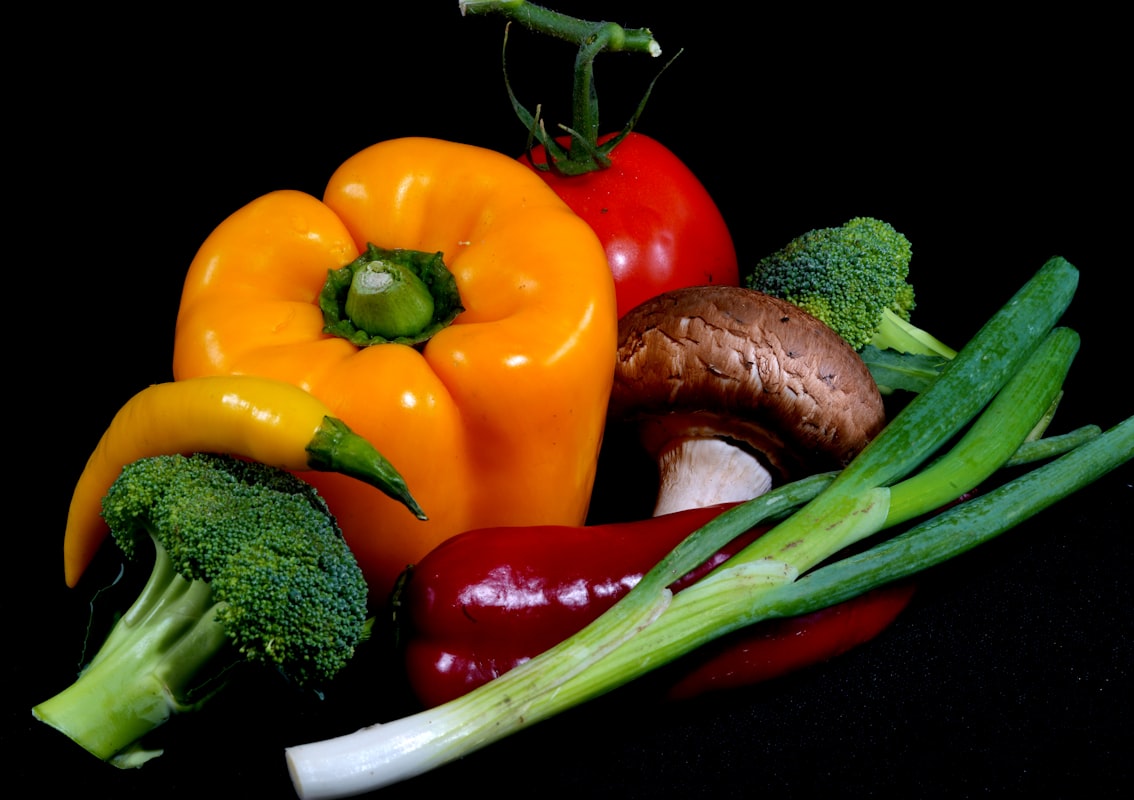
- Eat the Rainbow: Consume a variety of colored vegetables and fruits to ensure you're getting diverse nutrients. Different colors indicate different protective compounds.
- Include Fatty Fish: Aim for 2-3 servings of salmon or other fatty fish weekly to maintain adequate omega-3 intake for retinal health.
- Don't Neglect Leafy Greens: Include dark leafy greens in your diet several times per week as your primary source of lutein and zeaxanthin.
- Snack on Nuts and Seeds: Replace processed snacks with almonds, sunflower seeds, or walnuts for sustained antioxidant and mineral intake.
- Stay Hydrated: Adequate water intake supports overall circulation and helps maintain the moisture balance your eyes need.
Frequently Asked Questions About Nutrition and Vision
How long does it take to notice the benefits of improved nutrition?
The eye contains long-lived cells, so nutritional improvements develop gradually. Some people notice enhanced vision clarity within 2-4 weeks, while significant structural changes in the retina may take several months. Consistency with nutrient-rich eating is key—think of it as an investment in your long-term visual health.
Can nutrition alone correct vision problems?
While optimal nutrition strongly supports eye health and function, it works best as part of a comprehensive approach. Proper nutrition can enhance your natural vision capacity and slow age-related changes, but it should complement other eye-care practices like protective eyewear, regular vision checks, and limiting screen time.
Are supplements necessary, or can I get everything from food?
Whole foods should be your primary source of eye-supporting nutrients because they contain not just isolated vitamins, but also supporting compounds that work synergistically. However, if you have dietary restrictions or struggle to consume enough nutrient-dense foods, targeted supplementation guided by your primary healthcare provider might be helpful.
Which nutrients are most important for different age groups?
Young adults benefit most from establishing strong nutritional foundations to prevent age-related changes. Middle-aged individuals should emphasize antioxidants and omega-3s to slow decline. Older adults especially benefit from lutein, zeaxanthin, zinc, and copper to maintain existing vision and reduce risk of complications.
What about blue light and screen time?
While nutrition provides foundational protection, blue light exposure from screens is cumulative. A diet rich in lutein and zeaxanthin provides natural filtering of blue light. Combined with screen breaks, proper lighting, and blue light-reducing lenses when needed, nutritional support creates a comprehensive strategy for digital-era eye health.
How does hydration affect vision?
Dehydration reduces tear production, leading to dry, uncomfortable eyes and potentially blurred vision. Proper hydration supports blood circulation to the eyes and maintains the fluid balance within eye structures. Drinking adequate water daily is as important as eating nutrient-rich foods for overall vision support.
What Our Community Says
"I started incorporating more leafy greens and fatty fish after reading about their role in eye health. Within three months, my vision felt sharper and my eye strain from work decreased noticeably. This article helped me understand that vision is something I can actively support through my daily choices."
Siti Rahman
Jakarta
"The detailed explanations about how each nutrient supports vision made this topic finally click for me. I realized I wasn't eating nearly enough orange vegetables and berries. Adjusting my diet has become easier now that I understand the why behind it."
Bambang Sutrisno
Surabaya
"As someone in my 50s, I've been concerned about age-related vision changes. Learning about lutein, zeaxanthin, and omega-3s gave me concrete steps to take. I feel more empowered knowing that I can support my eye health through informed nutritional choices every single day."
Dewi Puspitasari
Bandung
"I spend hours at my computer for work, and I've noticed eye fatigue becoming a real problem. This guide helped me understand that proper nutrition can actually reduce eye strain and support better vision during long screen sessions. The practical guidelines are easy to follow."
Rudi Hermawan
Medan
Start Your Vision Health Journey Today
Your eyes depend on the nutrients you provide. Begin making informed dietary choices that support your vision clarity and long-term eye wellness. Browse our comprehensive articles and discover practical strategies for maintaining healthy sight through nutrition.
For content feedback or editorial inquiries, contact us at [email protected]